A sincere thank you to AmCham Sweden for their assistance in coordinating the trip and helping us to promote the importance of the transatlantic partnership throughout Europe.
Promoting the transatlantic relationship in Sweden
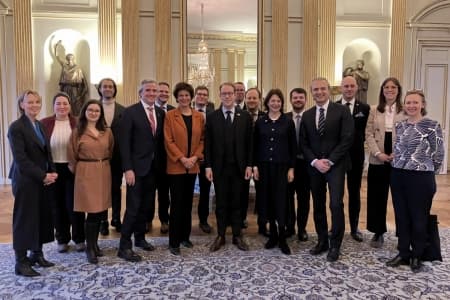
From Wednesday, 15 February to Friday, 17 February AmCham EU visited Stockholm for a Swedish Presidency delegation which included meetings with the Ministry of Defence, the Ministry of Health and Social Affairs and the Ministry of Justice. The delegates also had the opportunity to discuss key issues with Tobias Billström, Minister for Foreign Affairs, Swedish Ministry for Foreign Affairs, Christian Danielsson, Swedish State Secretary, EU Affairs, Swedish Prime Minister’s Office and Ambassador Erik D. Ramanathan, US Ambassador to Sweden. The delegation concluded after dicussions with the Ministry of Finance and the Ministry of Climate and Enterprise. Read more in our recommendations to the Swedish Presidency.
Related items

Blog
23 Nov 2026
The Public Procurement Act: incentivising quality
A procurement policy that buyers can use
News
20 Nov 2026
Food for All 2026: in review
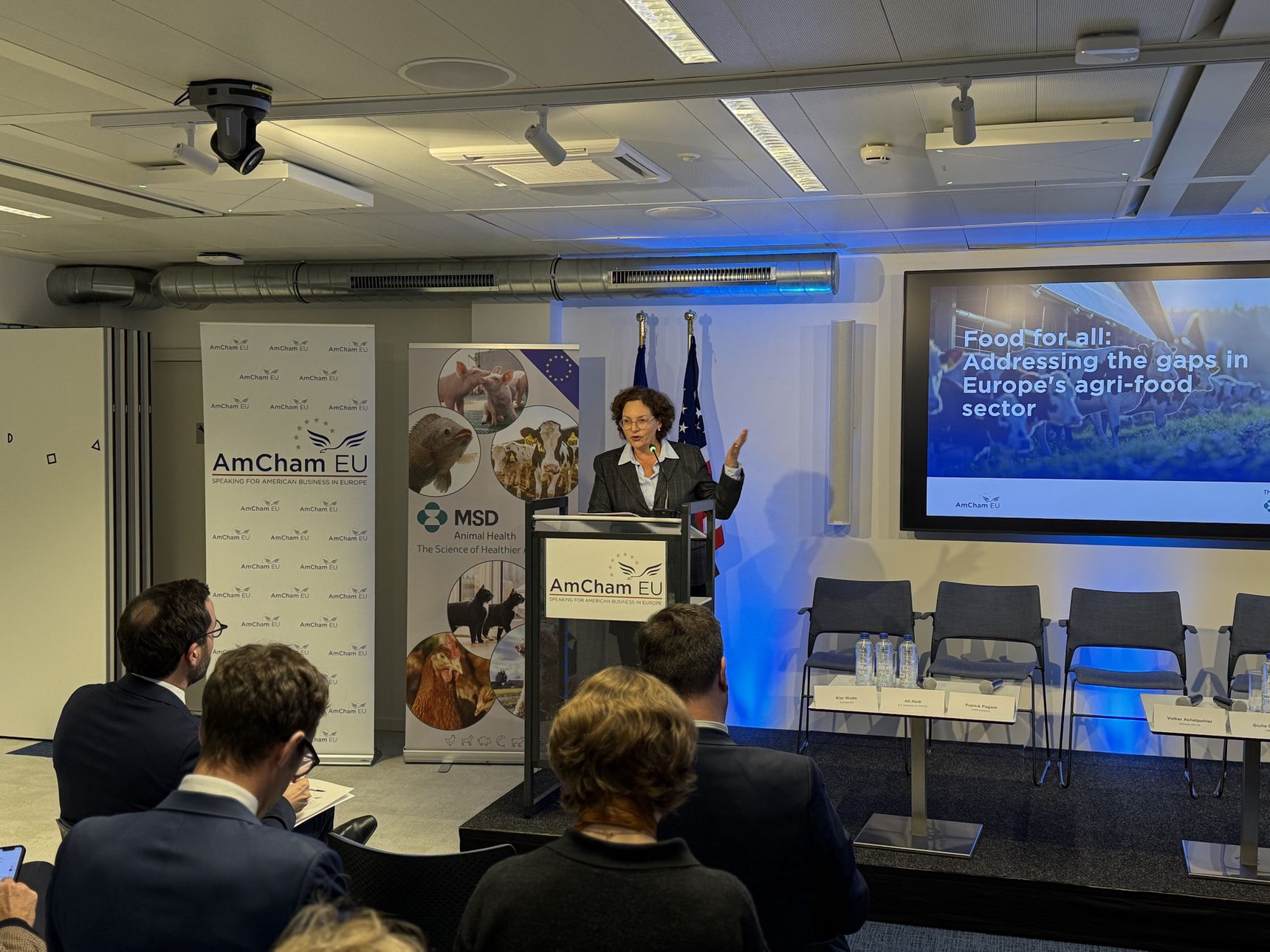
On Thursday, 19 November, AmCham EU hosted Food for All: Addressing the gaps in Europe’s agri-food sector, bringing together policymakers and industry representatives to discuss how Europe can unlock investment and strengthen competitiveness across the food value chain. At the centre of the discussions was the importance of regulatory predictability, innovation and transatlantic cooperation in building a more resilient agri-food sector and securing Europe's future food supply.
News
19 Nov 2026
Making the Foreign Subsidies Regulation fit for purpose
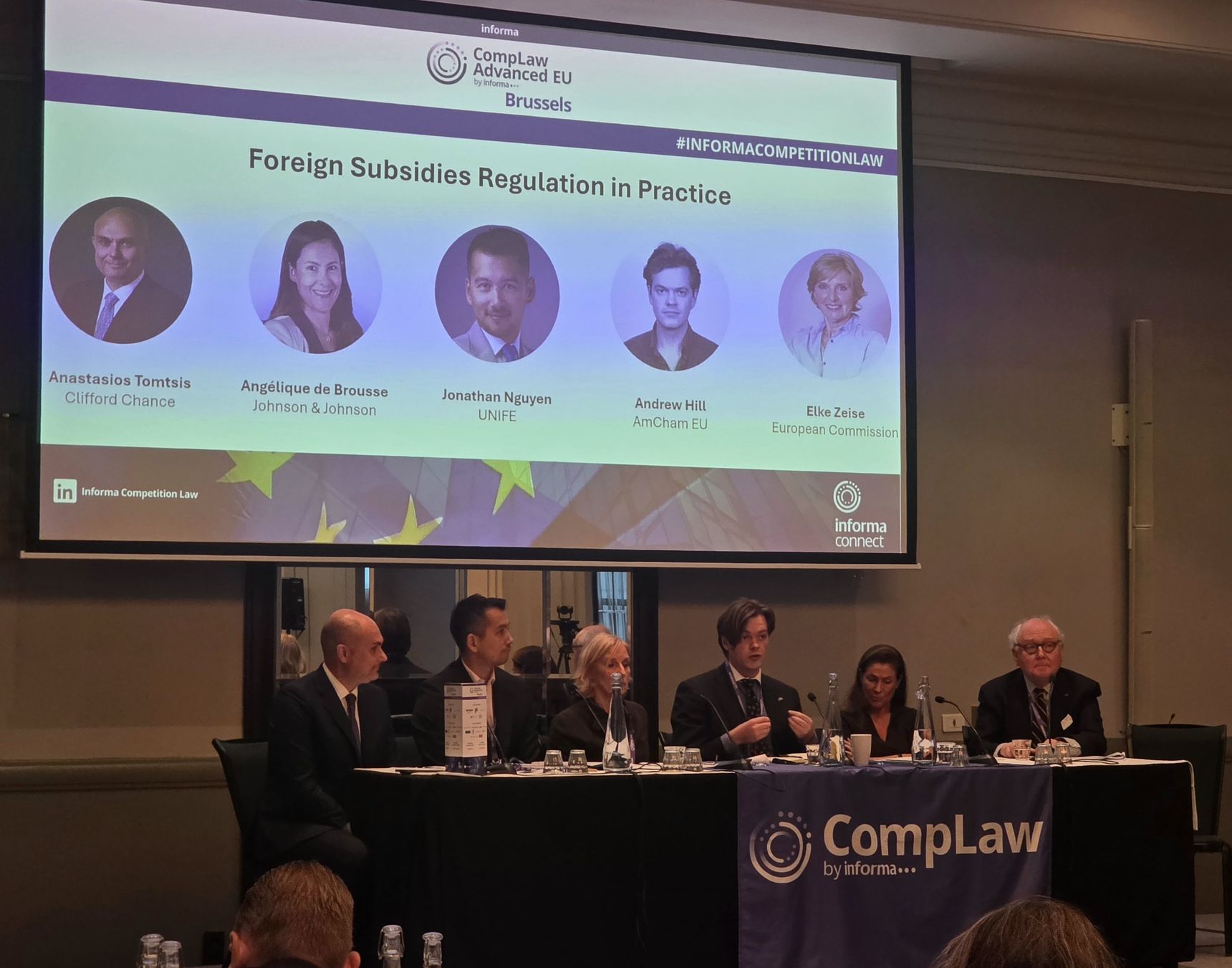
On Wednesday, 18 November, Andrew Hill, Senior Policy Adviser, AmCham EU, represented the organisation at the CompLaw: Advanced EU conference in Brussels. Joining a panel on how the Foreign Subsidies Regulation (FSR) works in practice, Mr Hill stressed the need for a more proportionate and risk-focused approach to the FSR. With potential changes to EU public procurement rules on the horizon that could restrict market access for companies not covered by international agreements, such as the Government Procurement Agreement (GPA), he highlighted the importance of adapting the FSR to reflect new enforcement realities and avoid unnecessary regulatory burdens. Streamlining the FSR would help the EU address genuine market distortions while preserving an open and predictable business environment. Learn how a proportionate FSR can support a stronger, more predictable business environment in Europe.
Policy priorities
Insights and advocacy driving Europe’s policy agenda. Our priorities support growth, innovation and a stronger transatlantic economy.
Membership
Connecting business and policymakers to strengthen the voice of American companies in Europe.