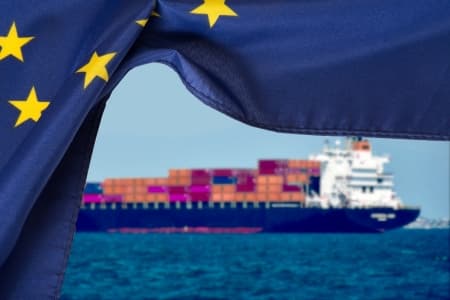
AmCham EU is deeply concerned about the breakdown of the trilogue negotiations on the reform of the Generalised Scheme of Preferences (GSP). This arrangement is the crown jewel of EU trade policy. It removes import duties for vital raw materials and finished goods entering into the EU market from vulnerable developing countries, which helps developing countries alleviate poverty and create jobs based on international values and principles.
Europe’s Generalised Scheme of Preferences
AmCham EU is deeply concerned about the breakdown of the trilogue negotiations on the reform of the Generalised Scheme of Preferences (GSP). This arrangement is the crown jewel of EU trade policy. It removes import duties for vital raw materials and finished goods entering into the EU market from vulnerable developing countries, which helps developing countries alleviate poverty and create jobs based on international values and principles.

Through the GSP, countries become more competitive and can develop diversified domestic industries for exports. This growth in trade creates high-standard jobs, reduces poverty and implements high labour standards. By promoting the implementation of key international conventions, GSP provisions contribute to advancing sustainable development, increasing environmental protection and encouraging good governance. In turn, European consumers are offered a wider variety of more affordable choices, while businesses in Europe can operate more easily and become more competitive in the global marketplace by reducing costs of imported inputs.
Failure to approve the new proposal or extend the current scheme will undermine the EU’s credibility in trade policy, disrupt longstanding trade relationship with developing countries and introduce significant uncertainty for thousands of companies and millions of workers worldwide.
With the current GSP Regulation set to expire on 31 December 2023, we urge the Council and the European Parliament to quickly approve the proposal to extend the current scheme without further amendments.
Related items
:focal())
EU-Mercosur vote: a self-inflicted setback to Europe's strategic interests
The European Parliament’s decision to refer the EU-Mercosur free trade agreement (FTA) to the Court of Justice adds a further delay to one of the EU’s most important and long-running trade initiatives.
Commenting on the vote, Malte Lohan, CEO of AmCham EU, said: ‘Today’s vote by the European Parliament to refer the EU-Mercosur agreement to the Court of Justice is a self-inflicted setback for Europe’s economic interests and geopolitical relevance at a moment when the EU can least afford it.
After 25 years of negotiations, this should have been Europe stepping forward as a global trade leader and champion of win-win partnerships. It was an opportunity to strengthen Europe’s global position, diversify supply chains and open new opportunities in a fast-growing market of 284 million people.
Instead, this vote has chosen - yet again - delay.
Europe’s credibility as a trade powerhouse is now on the line. The EU must move decisively to get this agreement back on track.’
The EU-Mercosur FTA will deepen economic ties, reduce barriers to trade and strengthen long-term engagement with a key region. How this process now unfolds will be critical not only for the agreement itself, but also for confidence in the EU’s broader trade agenda.
:focal())
European business associations celebrate the signature of EU-Mercosur FTA
Today marks a historic milestone with the signing of the EU-Mercosur Trade Agreement, creating the biggest trading block in the world. European business – represented by more than 28 associations across a wide range of sectors – warmly welcomes this signature. It sends a strong and timely signal that the EU remains open and is committed to rules-based global trade. In a time of global uncertainty, this agreement is a key growth booster.
By opening access to over 270 million consumers via the elimination of trade barriers and the removal of tariffs on over 90% of EU exports, the agreement provides the thrust European companies need to export, invest, and grow, as well as to diversify their supply chains, sourcing essential products and raw materials from Mercosur. By 2040, according to DG Trade’s calculations, the agreement is expected to add 77.6 billion euros to the EU GDP, resulting in a 39% increase in EU exports to Mercosur.
With the agreement now signed, the ball is firmly in the court of the European Parliament in ensuring rapid ratification. We therefore call on Members of the European Parliament to give their consent and allow Europe’s engine of economic growth and prosperity to be switched on and move ahead decisively. After over 25 years of negotiations, we are finally in sight of the finish line. We cannot afford to wait any longer.
:focal())
Council vote clears way for landmark EU-Mercosur free trade agreement
EU Member States’ decision to approve the EU-Mercosur free trade agreement is a major victory for the EU’s free trade agenda. For companies in the EU, the agreement promises to support deeper integration of value chains and facilitate access to a market of 284 million consumers. This will contribute to more resilient and diversified supply chains, including access to critical raw materials essential for the EU’s economic security and industrial growth.
AmCham EU praises the European Commission for its work with Member States to ensure the deal benefits all sectors of the EU economy. By concluding Mercosur’s first trade agreement with a major global partner, the EU demonstrates its commitment to open and rules-based trade. The European Parliament must now approve the agreement without delay, so that – after 25 years of negotiations – businesses and citizens can start benefiting from this deal.
Reacting to the news, Malte Lohan, CEO, AmCham EU, stressed the importance of the agreement: ‘The Council’s decision is a timely one. In today’s world, the EU needs to boost its economic competitiveness and maintain its free trade leadership. The EU-Mercosur agreement ticks both boxes’.
‘The business case is clear; the geopolitical case is clear. It is now the Parliament’s job to see the agreement across the finish line’, he added.
Policy priorities
Insights and advocacy driving Europe’s policy agenda. Our priorities support growth, innovation and a stronger transatlantic economy.
Membership
Connecting business and policymakers to strengthen the voice of American companies in Europe.