US business supports the EU’s economic recovery plan

On Wednesday, 27 May, the European Commission presented an ambitious recovery plan, including a new instrument ‘Next Generation EU’ to boost the EU’s spending capacity. The American Chamber of Commerce to the EU (AmCham EU) fully supports the Commission’s proposal which aims to tackle the ripple effects of the COVID-19 crisis on the European economy. AmCham EU calls on Member States to endorse the Commission’s proposal.


In addition to an unparalleled financial commitment, the recovery plan outlines strong policy measures to strengthen the Single Market as well as to enable the green and digital transformations. It has the potential to be one of the engines that will restart Europe’s economy, creating new jobs and prosperity to benefit all citizens.

News
28 May 2020
US business supports the EU’s economic recovery plan


Global cooperation and trade will also be critical to the recovery. The EU needs to continue to champion multilateralism. The deep integration between European and US economies will be an enabler to strengthen EU supply chains and its industrial base.


In addition, the EU should continue to look at proportionate measures and regulations to stimulate innovation. This includes attracting the right types of investments that will foster economic growth and employment. US investment supports more than 4.8 million jobs in Europe. Susan Danger, CEO, AmCham EU, said: ‘These unprecedented times call for solidarity across Europe. The proposed recovery plan demonstrates the EU’s ability to come out of the current crisis stronger and more united.’ She went on to say: ‘It sends a very clear signal to international partners about the resilience of the Single Market, the main driver of foreign investment into Europe.
Related items

Publication
23 Oct 2026

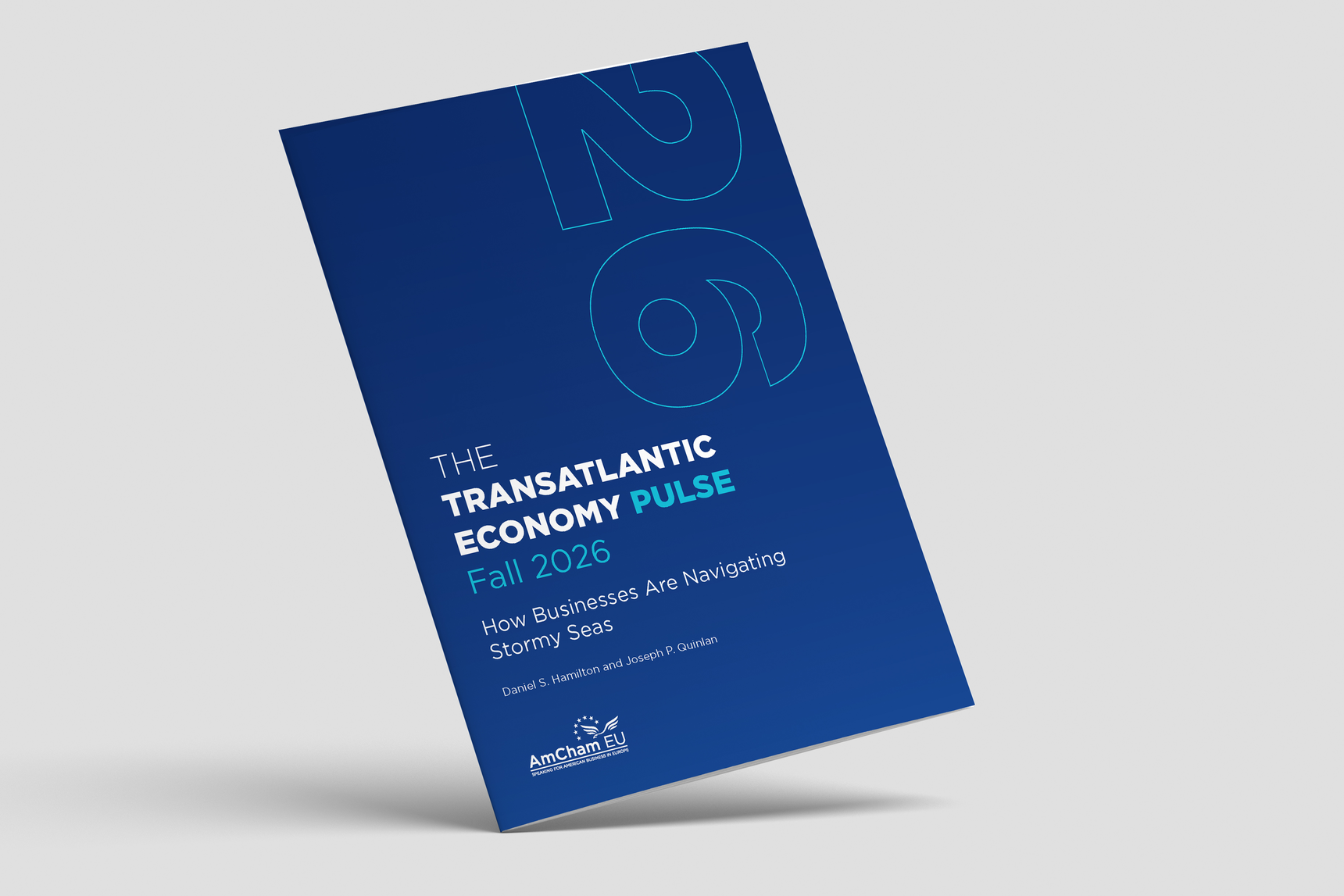
The Transatlantic Economy Pulse 2026

How are companies adjusting to an evolving transatlantic trade environment? In a year so far marked by geopolitical tensions and economic uncertainty, The Transatlantic Economy Pulse identifies trade and investment trends between Europe and the US in the first half of 2026.

Transatlantic
Read more
Read more about The Transatlantic Economy Pulse 2026
Position Paper
22 Oct 2026

Industry calls for repeal of the SCIP database

AmCham EU has joined over 30 industry associations in calling on EU co-legislators to confirm the repeal of the Substances of Concern In articles as such or in complex objects (Products) (SCIP) database, as proposed in the Environmental Omnibus. SCIP costs companies around €225 million a year, yet its intended users, recyclers, barely use it. The Commission itself acknowledges that waste operators find the data unusable and most companies lack the resources to maintain millions of notifications. Repeal would remove a disproportionate reporting layer while keeping obligations for suppliers to inform customers about substances of very high concern. Any future approach should build on existing obligations, not add new ones.

Environment
Simplification
Read more
Read more about Industry calls for repeal of the SCIP database
News
21 Oct 2026

Building fairer food supply chains

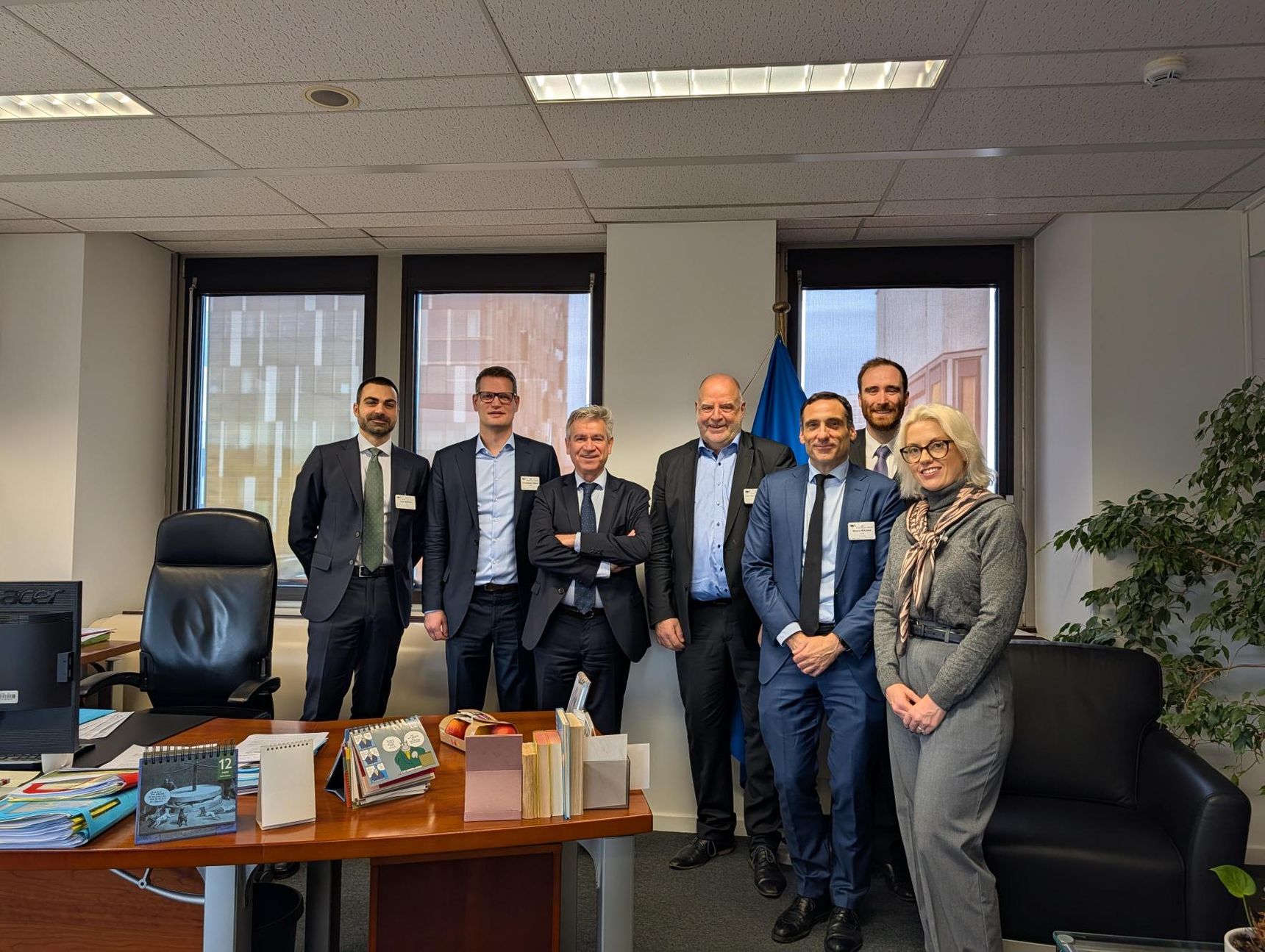
On Wednesday, 21 October, AmCham EU met with Pierre Bascou, Director for Sustainability and Income Support, Directorate-General for Agriculture and Rural Development, European Commission, to discuss the revision of the EU’s Unfair Trading Practices (UTP) Directive. The exchange focused on removing existing thresholds, expanding the list of prohibited practices and strengthening protection for those reporting unfair trading practices. Edouard Coppieters, Senior Policy Adviser and Kim Watts, Policy Director, AmCham EU highlighted that companies of all sizes can face unfair trading practices. Across the agri-food supply chain, operators often contend with price volatility and legal pressure, particularly where bargaining power is unequal. The revision presents an opportunity to address these imbalances, strengthen protections and ensure a level playing field for all actors across the food supply chain.

Agriculture and food
Read more
Read more about Building fairer food supply chains