Reducing e-waste by giving products a ‘second life’
Electronic equipment is one of the world’s fastest-growing waste streams with 53.6 million tons produced in 2019 globally across all sectors whilst only 17.4% was recycled. Discover Liberty Global’s approach to reducing e-waste, an initiative that demonstrates how companies can ingrain sustainability into their business models and ensure their operations minimise the impact of their products on the planet.
Learn more at The Green Way and join the conversation on Twitter with #EUGreenWay.

Related items

Industry calls for repeal of the SCIP database
AmCham EU has joined over 30 industry associations in calling on EU co-legislators to confirm the repeal of the Substances of Concern In articles as such or in complex objects (Products) (SCIP) database, as proposed in the Environmental Omnibus. SCIP costs companies around €225 million a year, yet its intended users, recyclers, barely use it. The Commission itself acknowledges that waste operators find the data unusable and most companies lack the resources to maintain millions of notifications. Repeal would remove a disproportionate reporting layer while keeping obligations for suppliers to inform customers about substances of very high concern. Any future approach should build on existing obligations, not add new ones.
Building fairer food supply chains
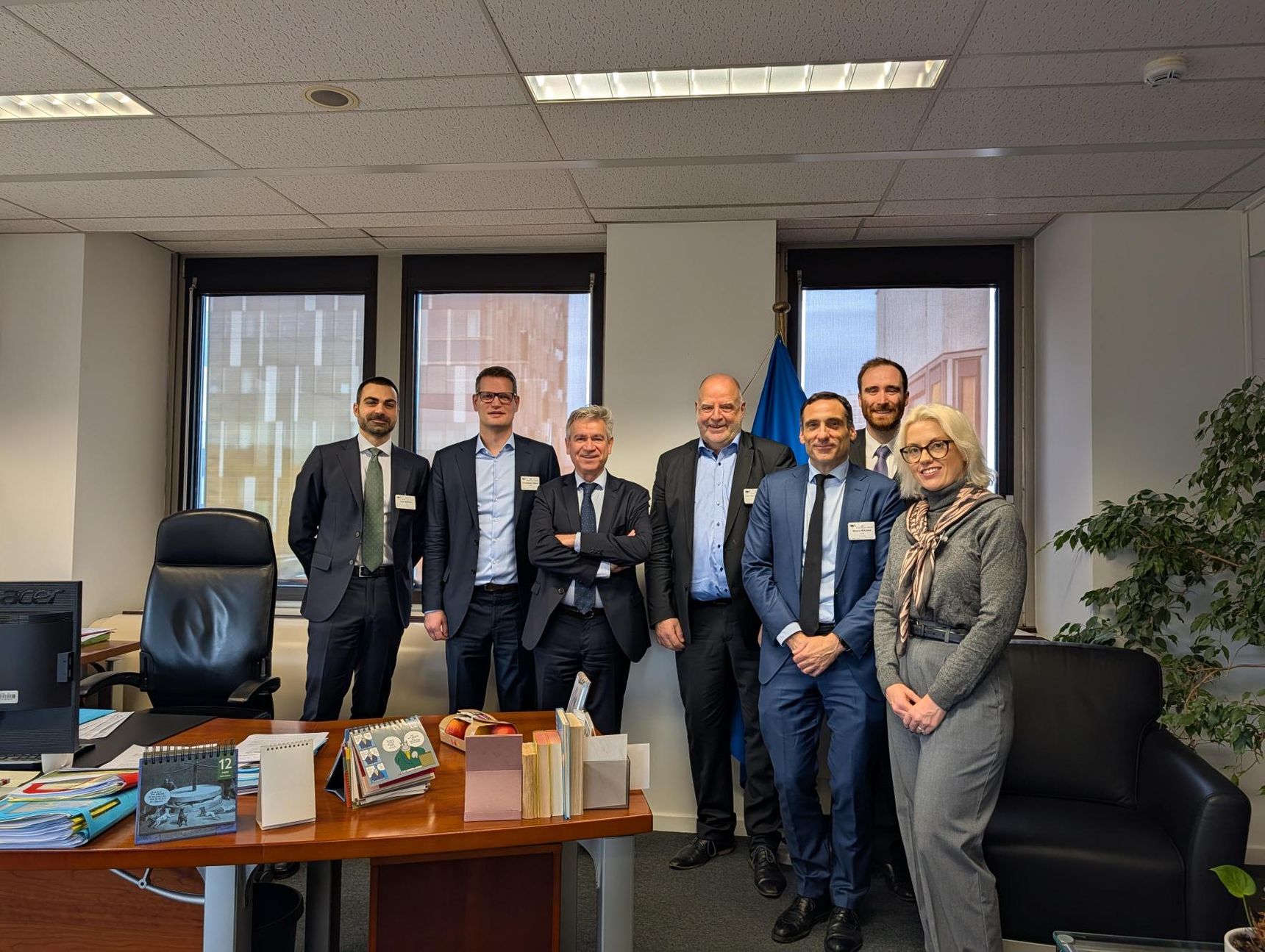
On Wednesday, 21 October, AmCham EU met with Pierre Bascou, Director for Sustainability and Income Support, Directorate-General for Agriculture and Rural Development, European Commission, to discuss the revision of the EU’s Unfair Trading Practices (UTP) Directive. The exchange focused on removing existing thresholds, expanding the list of prohibited practices and strengthening protection for those reporting unfair trading practices. Edouard Coppieters, Senior Policy Adviser and Kim Watts, Policy Director, AmCham EU highlighted that companies of all sizes can face unfair trading practices. Across the agri-food supply chain, operators often contend with price volatility and legal pressure, particularly where bargaining power is unequal. The revision presents an opportunity to address these imbalances, strengthen protections and ensure a level playing field for all actors across the food supply chain.
From fryer to fuel
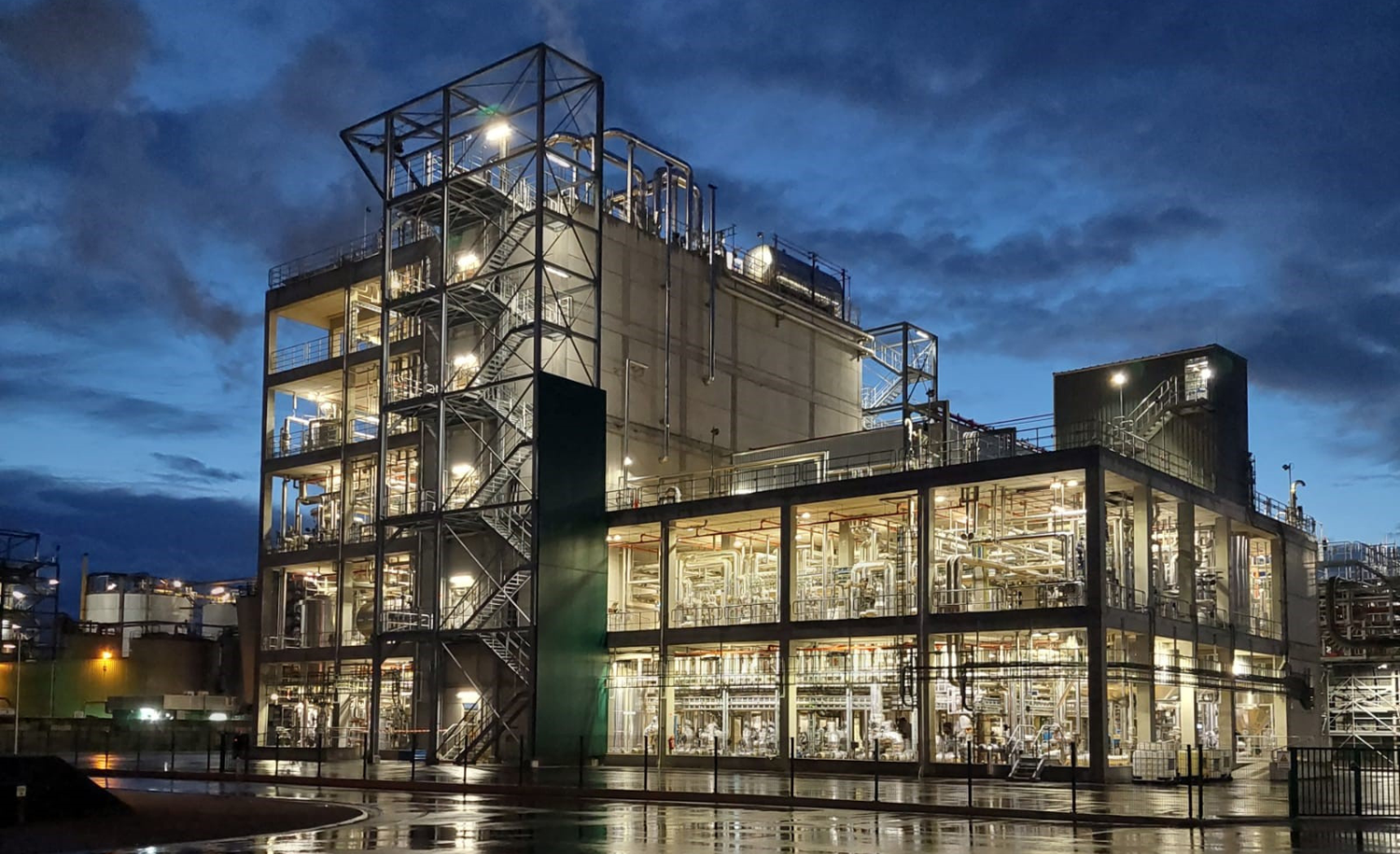
After frying frites, bitterballen, churros or arancini, many people don’t think twice about disposing of used cooking oil. Yet one litre of waste oil can contaminate one million litres of water, according to the European Commission. At Cargill’s facility in the port of Ghent, Belgium, used cooking oil and other residual oils and fats are treated as raw materials, cleaned and converted into biodiesel for trucks and ships. This puts circularity into practice on an industrial scale at one of Europe’s largest facilities of its kind. Since production began, Ghent’s biodiesel is estimated to have reduced greenhouse gas emissions by 1,188,000 tonnes compared with fossil diesel, equivalent to taking about 550,000 cars off the road for a year. Read the full story on Invested in Europe.
Policy priorities
Insights and advocacy driving Europe’s policy agenda. Our priorities support growth, innovation and a stronger transatlantic economy.
Membership
Connecting business and policymakers to strengthen the voice of American companies in Europe.