In October 2021, the OECD Inclusive Framework reached a political agreement with over 130 countries to reform the global corporate tax framework and address countries’ concerns regarding broad tax challenges arising from the digitalisation of the global economy. If this agreement is implemented consistently, it can stabilise the international tax system. Although a political agreement has now been reached, many important technical details remain to be resolved before it is applied. AmCham EU, therefore, outlines key takeaways and recommendations to ensure the successful implementation of this agreement.
The taxation of the digital economy
Related items
News
6 Nov 2026
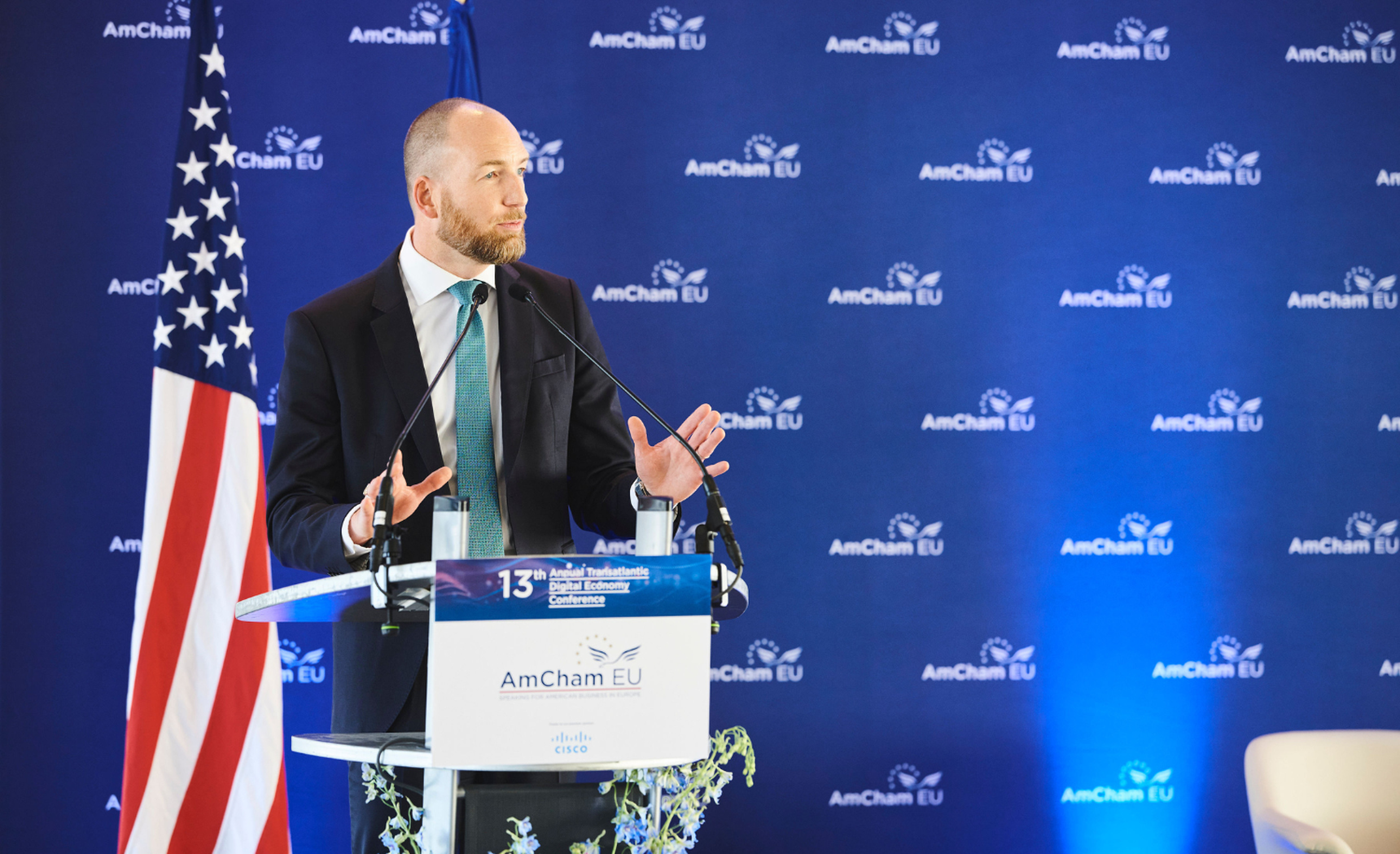
Digital Economy Conference 2026: in review
AmCham EU’s 13th Annual Transatlantic Digital Economy Conference took place on Thursday, 5 November, under the theme Cutting through complexity. The event brought together policymakers, regulators and industry leaders to discuss how clear, workable frameworks and closer EU-US cooperation can bring more coherence to the digital landscape and support economic growth.

Position Paper
28 Oct 2026
Industry calls for ambitious tax simplification
AmCham EU has joined 22 other business, financial and professional associations in calling on Member States to reach agreement on the Commission’s Tax Simplification Package. The measures could save businesses operating in Europe around €8 billion a year, money currently absorbed by complexity rather than invested in growth. Tax collected only to be refunded and withholding taxes that hinder investment in the Single Market add costs without strengthening the tax base. Europe has already strengthened its tax framework, so simplification can go ahead without weakening enforcement. Agreement will only matter if the ambition of the package survives the negotiations. Read the full joint statement here.

Position Paper
7 Oct 2026
Making CADA’s sovereignty framework work for Europe
The success of the Cloud and AI Development Act (CADA) will depend on whether its sovereignty framework strengthens Europe’s resilience and competitiveness without restricting access to the technologies, providers and operating models needed to support the bloc’s digital transformation. As currently envisaged, several elements of CADA introduce origin-based restrictions that are not necessarily linked to genuine sovereignty, security or resilience risks. These measures could reduce competition, increase costs and slow cloud and AI adoption – ultimately working against CADA’s underlying objectives.
A sovereignty framework built on objective, risk-based criteria will better support Europe’s competitiveness, resilience and digital transformation than one based on origin, ownership or nationality.
Policy priorities
Insights and advocacy driving Europe’s policy agenda. Our priorities support growth, innovation and a stronger transatlantic economy.
Membership
Connecting business and policymakers to strengthen the voice of American companies in Europe.