Defining critical infrastructure and maintaining global supply chains

On 17 April, AmCham EU sent a letter addressed to Commissioner Thierry Breton calling for a coordinated response to the COVID-19 crisis with regard to defining critical sites and infrastructure and maintaining global supply chains.

Our companies operate in a large variety of sectors, many of which are affected by the uncertainty caused by the COVID-19 crisis. Our member companies are facing new challenges as they adapt to the current circumstances. Maintaining a reliable supply of products and services is necessary for European citizens and the economy. Our members believe that clarity is essential to minimise any disruptions in the production and delivery of critical products and services.


News
17 Apr 2020
Defining critical infrastructure and maintaining global supply chains

In our letter, AmCham EU calls on the European Commission to take all the necessary actions to ensure that global supply chains remain open and to counter any opportunistic protectionism. Moreover, AmCham EU asks that essential services, infrastructure and manufacturing sites all over Europe are kept open. The letter identifies the number of sectors that should be considered as critical and essential.

Read the full letter here.

Related items

News
12 Nov 2026

Keeping Europe open and competitive with our Executive Council

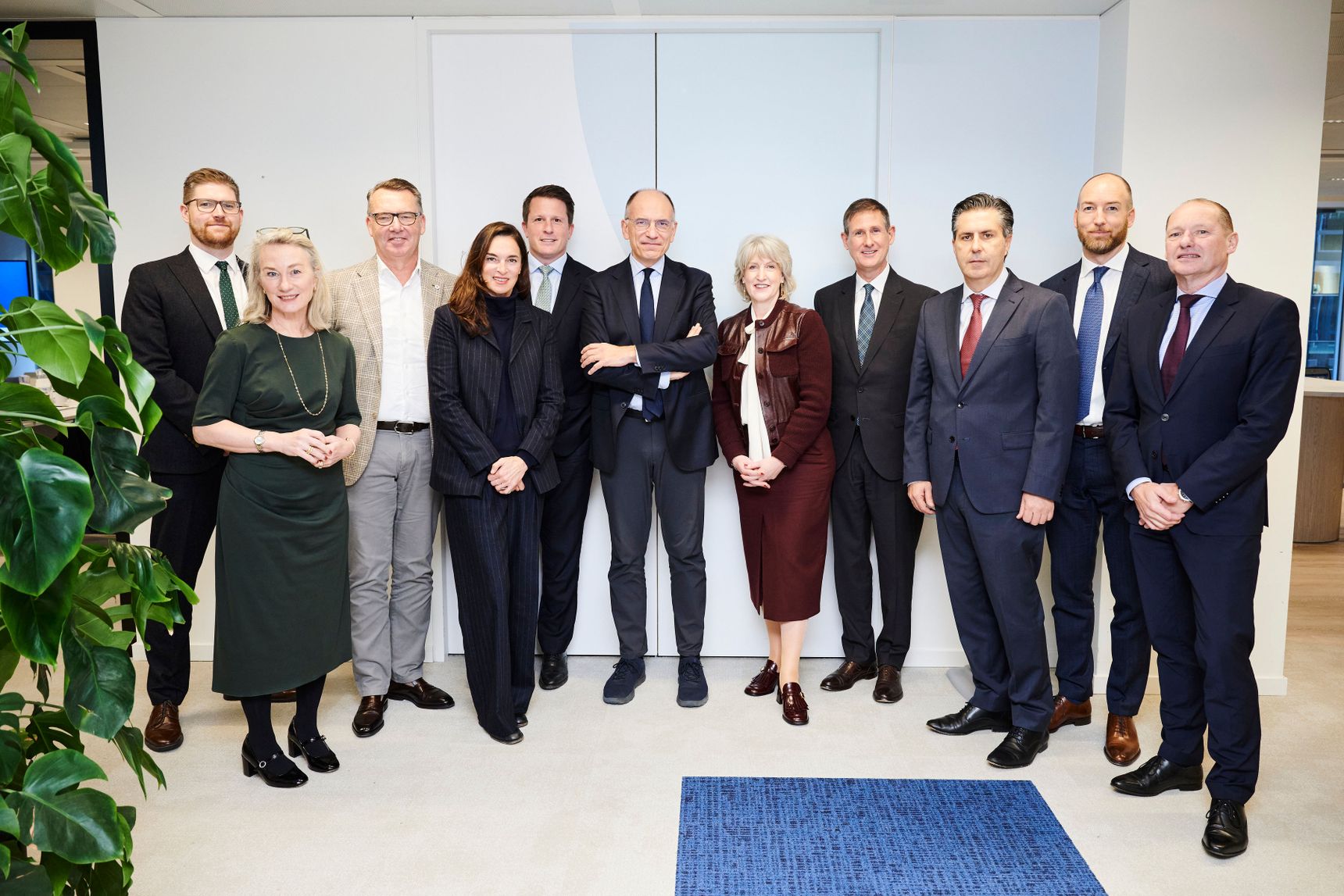
Predictability in EU-US relations and Europe’s competitiveness agenda, from simplification to European preference, were centre stage during our Executive Council Fall Plenary on Monday, 9 and Tuesday, 10 November. Our senior business leaders met with EU, US, Canadian and Member State policymakers, as well as industry and think-tank leaders, to discuss the pressures shaping investment decisions in Europe.

The group engaged with the following: Nerijus Aleksiejūnas, Permanent Representative of Lithuania to the European Union; Enrico Letta, President of the Jacques Delors Institute; Roxana Mînzatu, Executive Vice-President for Social Rights and Skills, Quality Jobs and Preparedness, European Commission; Andrew Puzder, Ambassador of the United States to the European Union; Jessika Roswall, European Commissioner for Environment, Water Resilience and a Competitive Circular Economy; Sir Jonathan Symonds, President of the European Round Table for Industry and Chair of GSK and Jonathan Wilkinson, Ambassador of Canada to the European Union. 

Throughout the two days, exchanges explored how to maintain momentum on Single Market integration, deliver meaningful regulatory simplification and strengthen the role of industry in developing skills and creating quality jobs. Discussions also touched on the changing international trade landscape, the importance of EU-US cooperation and the priorities that will shape the upcoming Lithuanian Presidency of the Council of the EU.

Learn more about our Executive Council here. 

Simplification
Transatlantic
Read more
Read more about Keeping Europe open and competitive with our Executive Council
Position Paper
10 Nov 2026

Making web scraping rules work for AI

The European Data Protection Board’s draft guidelines on web scraping for generative AI are an opportunity to provide greater legal certainty and support Europe’s AI competitiveness. However, some proposed requirements risk creating disproportionate burdens for AI developers.

A pragmatic, risk-based approach is needed to ensure the rules reflect the technical realities of AI development. This includes proportionate transparency obligations, recognition of the need for diverse training datasets and greater alignment with the AI Act and Digital Omnibus. Clear, harmonised rules are essential to protect personal data while enabling innovation.

Read our consultation response to learn more about the recommendations.

Digital
Read more
Read more about Making web scraping rules work for AI
News
9 Nov 2026

Discussing EU-US trade after the midterms with KAS and BDI

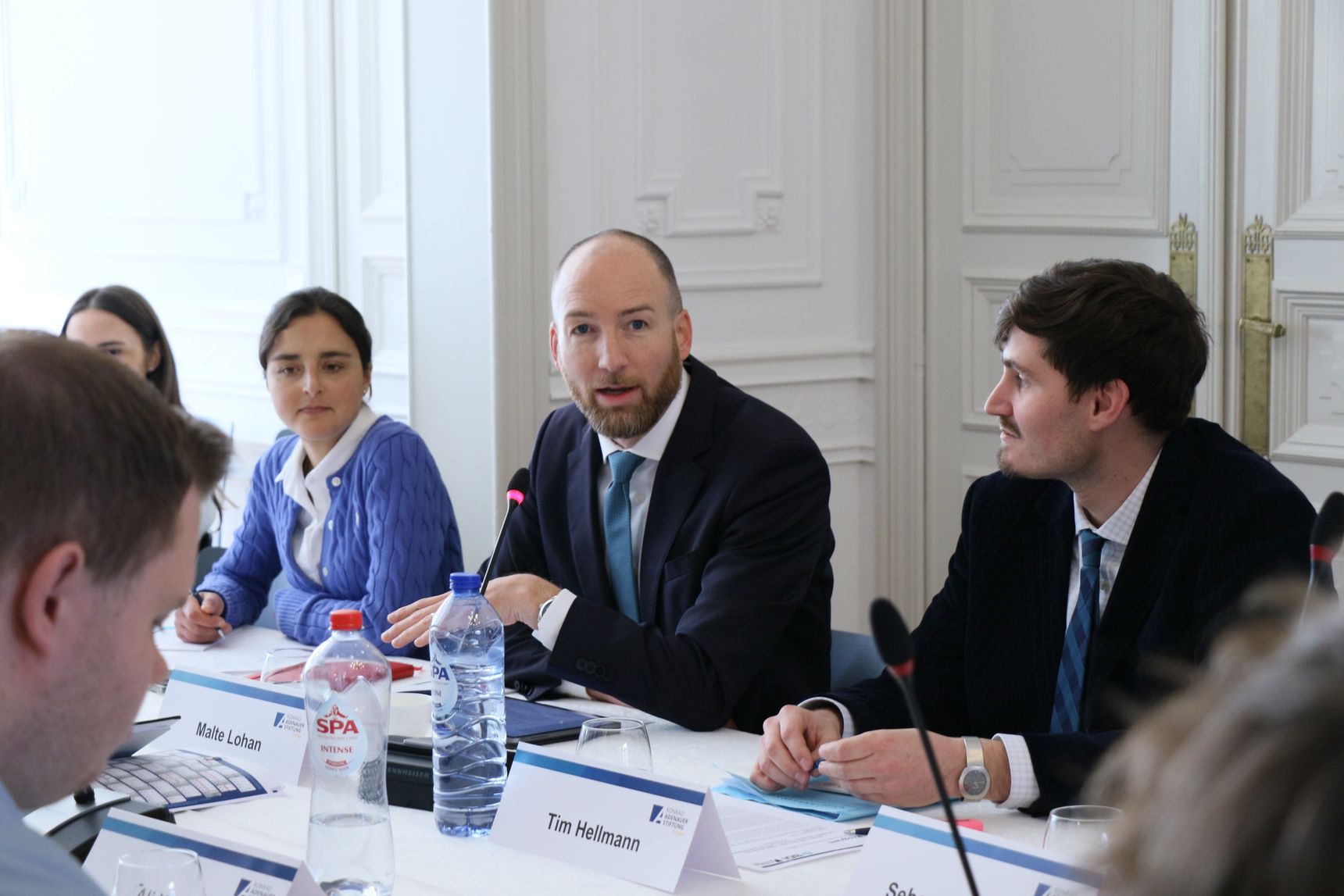
On Thursday, 5 November, Malte Lohan, CEO, AmCham EU, spoke at a discussion hosted by Konrad-Adenauer-Stiftung Europe and the Federation of German Industries (BDI) on EU-US trade relations after the US midterms. Mr Lohan stressed that elections change the conversation, though not necessarily the outcomes. While the midterms shift power on Capitol Hill, he was not sure this would extend to transatlantic relations, certainly not in the short term. He noted the Turnberry Agreement has brought much-needed predictability, but the relationship remains volatile, with flashpoints ahead that could put stability at risk. The agreement should be solidified and built on, with a move from strategic autonomy to strategic complementarity that will resonate in Washington. Exploring new avenues for partnering where interests align is worthwhile for a $9.8 trillion relationship that employs over 16 million people on both sides of the Atlantic. Learn more about the latest EU-US trade developments in the Transatlantic Economy Pulse.

Transatlantic
Read more
Read more about Discussing EU-US trade after the midterms with KAS and BDI