The European Commission’s proposal for a 2040 greenhouse gas emissions target underscores the EU’s commitment to climate neutrality. Now just months after COP29 and with 2024 being the hottest year in recorded history, urgent action is required. With a proposed 90% reduction in greenhouse gas emissions, this vision depends on strategic investments in low-carbon technologies and regulatory simplification. But the first step on this journey is achieving the 2030 targets, which require deeper collaboration between policymakers and industry. Only by fostering innovation and creating an attractive investment environment will the EU lead the global transition to a sustainable and resilient economy. Learn why industry involvement is essential to maintaining EU competitiveness during this transition.
Europe's 2040 climate target and path to climate neutrality by 2050
Related items

Industry calls for repeal of the SCIP database
AmCham EU has joined over 30 industry associations in calling on EU co-legislators to confirm the repeal of the Substances of Concern In articles as such or in complex objects (Products) (SCIP) database, as proposed in the Environmental Omnibus. SCIP costs companies around €225 million a year, yet its intended users, recyclers, barely use it. The Commission itself acknowledges that waste operators find the data unusable and most companies lack the resources to maintain millions of notifications. Repeal would remove a disproportionate reporting layer while keeping obligations for suppliers to inform customers about substances of very high concern. Any future approach should build on existing obligations, not add new ones.
Simpler chemicals rules, same level of protection
Europe has an opportunity to make its chemicals rules simpler without weakening the protection they provide. The Commission plans to simplify the Regulation on Registration, Evaluation, Authorisation and Restriction of Chemicals (REACH) through secondary legislation. Rules that are proportionate, clearly scoped and grounded in evidence are easier to follow and easier to enforce. They also give companies the certainty they need to invest and keep producing in Europe. Read our recommendations for a REACH that is simpler to apply and better for competitiveness.
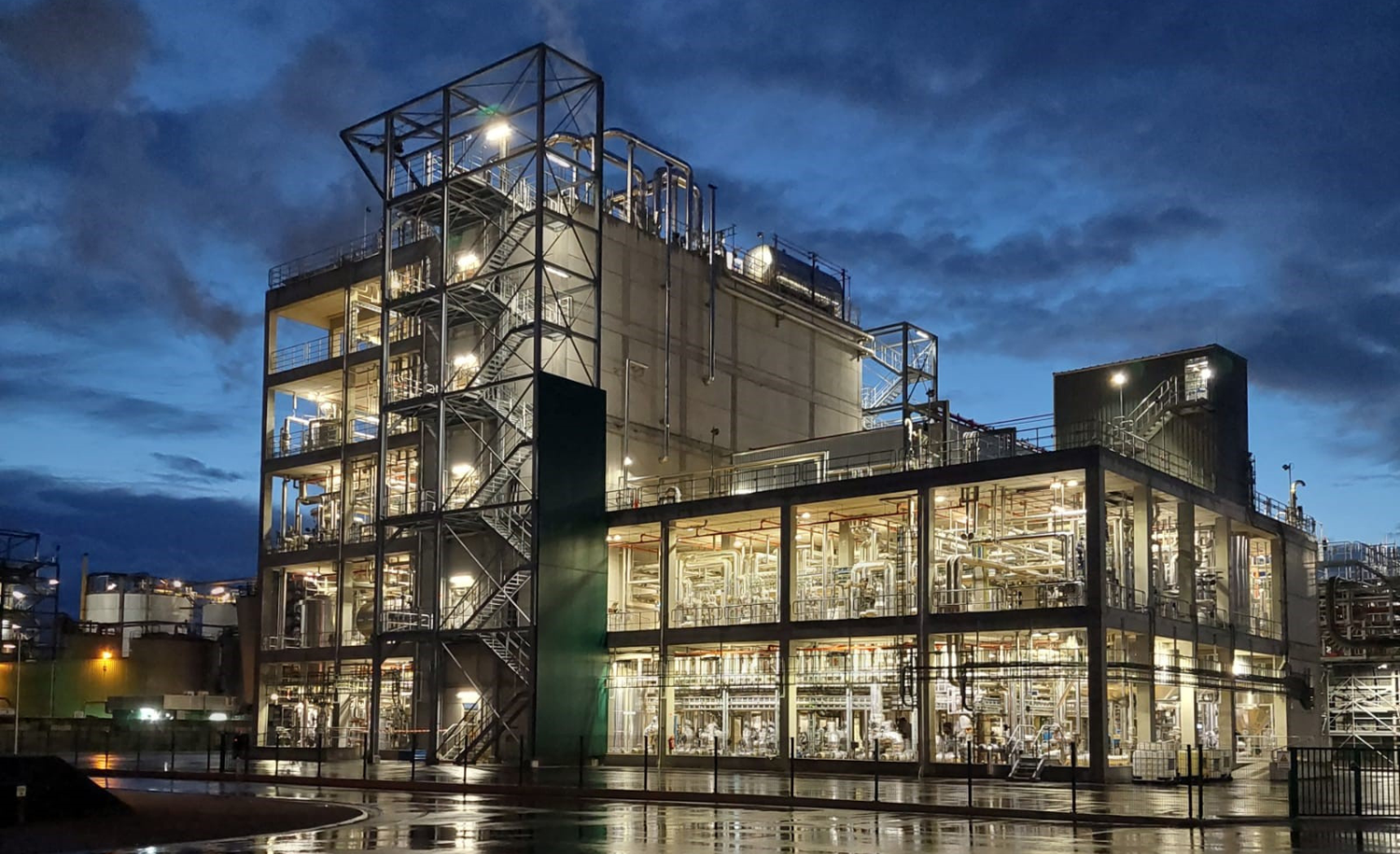
From fryer to fuel
After frying frites, bitterballen, churros or arancini, many people don’t think twice about disposing of used cooking oil. Yet one litre of waste oil can contaminate one million litres of water, according to the European Commission. At Cargill’s facility in the port of Ghent, Belgium, used cooking oil and other residual oils and fats are treated as raw materials, cleaned and converted into biodiesel for trucks and ships. This puts circularity into practice on an industrial scale at one of Europe’s largest facilities of its kind. Since production began, Ghent’s biodiesel is estimated to have reduced greenhouse gas emissions by 1,188,000 tonnes compared with fossil diesel, equivalent to taking about 550,000 cars off the road for a year. Read the full story on Invested in Europe.
Policy priorities
Insights and advocacy driving Europe’s policy agenda. Our priorities support growth, innovation and a stronger transatlantic economy.
Membership
Connecting business and policymakers to strengthen the voice of American companies in Europe.